
Everything You Need To Know About Hairdryers
DC vs AC vs EC Motor Hairdryers (And Other Big Questions)
Prepare yourself for a surprise — your hairdryer might be smarter than you think.
Today’s hairdryers are far more advanced than the simple hot-air tools of the past. Modern technology is designed to help protect hair health, reduce heat damage, and even help minimise colour fade during regular styling. The result? Faster drying times, smoother finishes, and shinier, frizz-free hair.
But before diving into the latest innovations, it’s worth understanding what actually makes a hairdryer perform well. Not all dryers work the same way — and not all hot air is equal.
In this guide, we’ll cover everything you need to know about hairdryers, including:
- What a hairdryer is made of
- The different types of hairdryer motors (DC, AC, and EC)
- Why airflow, air pressure, and heat matter
- The truth about wattage
- Ionic technology and frizz control
- Essential attachments like concentrators and diffusers
- Tips for achieving salon-style blow-dry results at home.
What Is a Hair Dryer Made of?
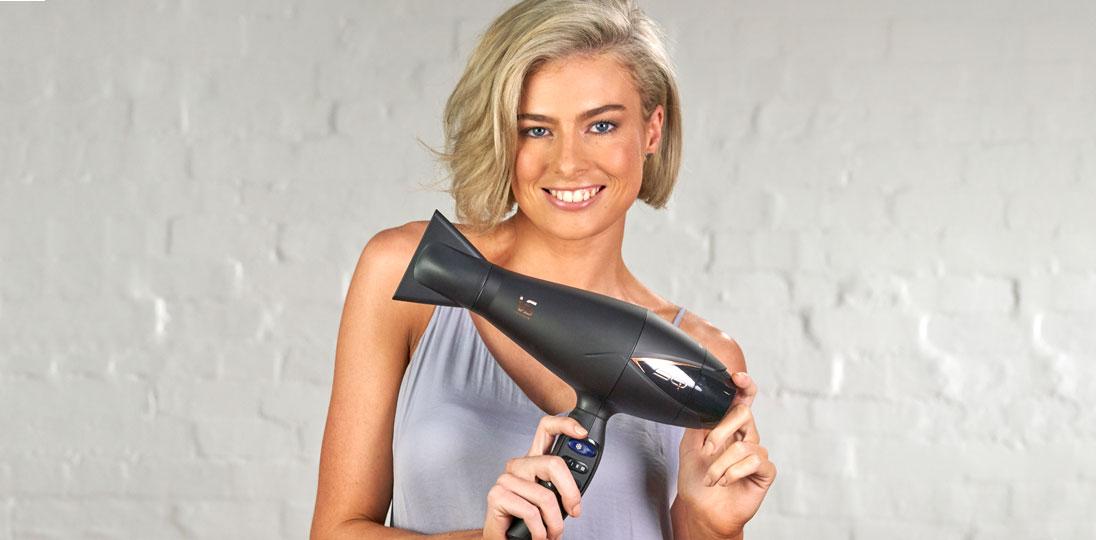
To understand how a hairdryer works, it helps to look at the technology inside it. Modern hairdryers contain several key components that control airflow, temperature, and overall performance. These include the motor, heating element, fan, internal airflow system, and the materials used in the outer barrel and attachments.
Each component plays an important role in how efficiently the dryer removes moisture from your hair. The combination of airflow speed, air pressure, and heat determines how quickly your hair dries and how smooth the final style looks.
Knowing how these elements work together can make it easier to choose a dryer that delivers faster drying, better styling control, and improved hair protection.
Types of Hair Dryer Motors
One of the most important factors when choosing a hairdryer is the motor. Hairdryer motors control airflow speed, air pressure, durability, and overall drying performance. Most hairdryers use one of three motor types - DC motors, AC motors or EC motors (also known as digital or BLDC motors). Each motor type offers different benefits depending on how often you style your hair and the performance you’re looking for. Let’s break them down.
DC (Direct Current) Hair Dryer Motor
DC motors are the most common type found in standard or budget hairdryers. They typically produce lower airflow speed and pressure compared to more advanced motors. Because of this, drying can take longer, which may expose hair to heat for extended periods.
DC dryers are generally suitable for:
- Occasional hair drying
- Fine or short hair
- Lightweight travel dryers
However, they may not be the best option for thick, long, or very dense hair.
Average motor life: up to 250 hours.
AC Motor (Alternating Current) Hair Dryer Motor
AC motors are traditionally used in professional salon hairdryers. They generate stronger airflow and higher air pressure, allowing hair to dry faster and more efficiently. Because of their durability and performance, they are a popular choice for frequent styling.
Benefits of AC motor dryers include:
- Faster drying performance
- Greater airflow power
- Longer motor lifespan
Average motor life: up to 1,000 hours.
EC (Electronically Commutated) Hair Dryer Motor
EC motors — often called digital or BLDC motors — represent the latest technology in hairdryers. These motors use advanced electronics and magnets to power the motor, producing extremely fast airflow while using less heat. This allows hair to dry more efficiently while helping to reduce heat damage.
Benefits of EC motor dryers include:
- Ultra-high airflow speed and pressure
- Faster drying with lower heat exposure
- Lightweight design
- Exceptional motor longevity
Average motor life: up to 5,000 hours.
For those with thick or long hair, or anyone prioritising hair protection and frizz reduction, EC motor dryers offer premium performance.
Wattage and Airspeed - What Really Matters?
For years, wattage has been used as a way to judge hairdryer performance. Many people assume that higher wattage automatically means faster drying. But in reality, wattage simply refers to energy consumption, not necessarily performance.
Drying performance depends more on:
- Motor power
- Airspeed
- Air pressure
- Heat control
A dryer with efficient airflow can dry hair faster at a lower temperature, which helps reduce potential heat damage. Look for hairdryers with multiple heat and speed settings so you can adjust the airflow to suit your hair type.
Heat, Airspeed and Air Pressure
Hair drying is essentially the process of removing moisture from the hair shaft. The balance between heat and airflow is critical:
- Too much heat can damage hair and weaken the cuticle.
- Slow airflow means drying takes longer.
- Low air pressure can make drying inefficient.
High-performance dryers combine strong airflow with controlled heat, allowing moisture to evaporate quickly while protecting the hair’s structure. In general, safe styling temperatures range between 70°C and 150°C, depending on your hair type.
Cool Shot vs Cold Shot
Heat relaxes the hair cuticle bonds to allow it to be styled and shaped, straightened or curled. Using a cool or cold blast of air after completing styling locks the hair bonds in place to hold your style longer. Most hairdryers include a cool-air function to help set your style.
Cool Shot
A cool shot reduces heat but still allows some warmth from the heating element.
Cold Shot
A true cold shot shuts off the heating element entirely, delivering cold airflow to lock the hair’s shape in place. Cold shots are typically found in AC and EC motor dryers, while DC dryers generally offer only a cooler airflow.
Ionic Technology and Frizz Control
To help guard against hair damage, look for a dryer with ionic technology. Ionic dryers are great for blowing gentle heat so your hair can shine on! They also help dry hair faster because the ions help evaporate water faster from your locks. This also results in a shorter drying time.
Ionic dryers produce millions of negatively charged ions, which break down the positively charged water molecules to help fight frizz when styling. Negative ions don’t open up the hair shafts, so the hair remains smooth and sleek. You can also use a lower temperature to dry your hair, and it keeps your curls intact if you have them.
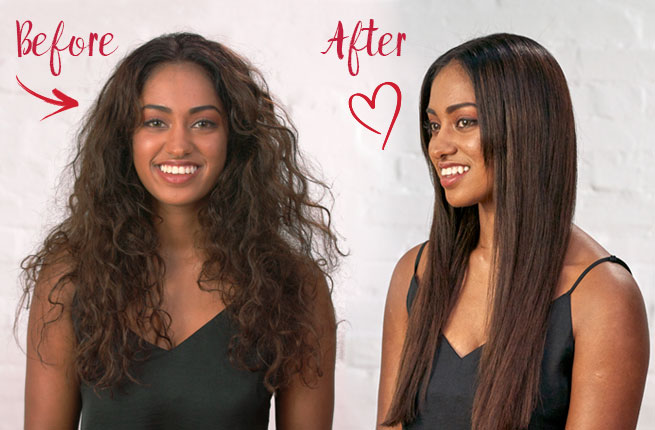
Concentrator Attachment = Direct Airflow and Smooth Styles
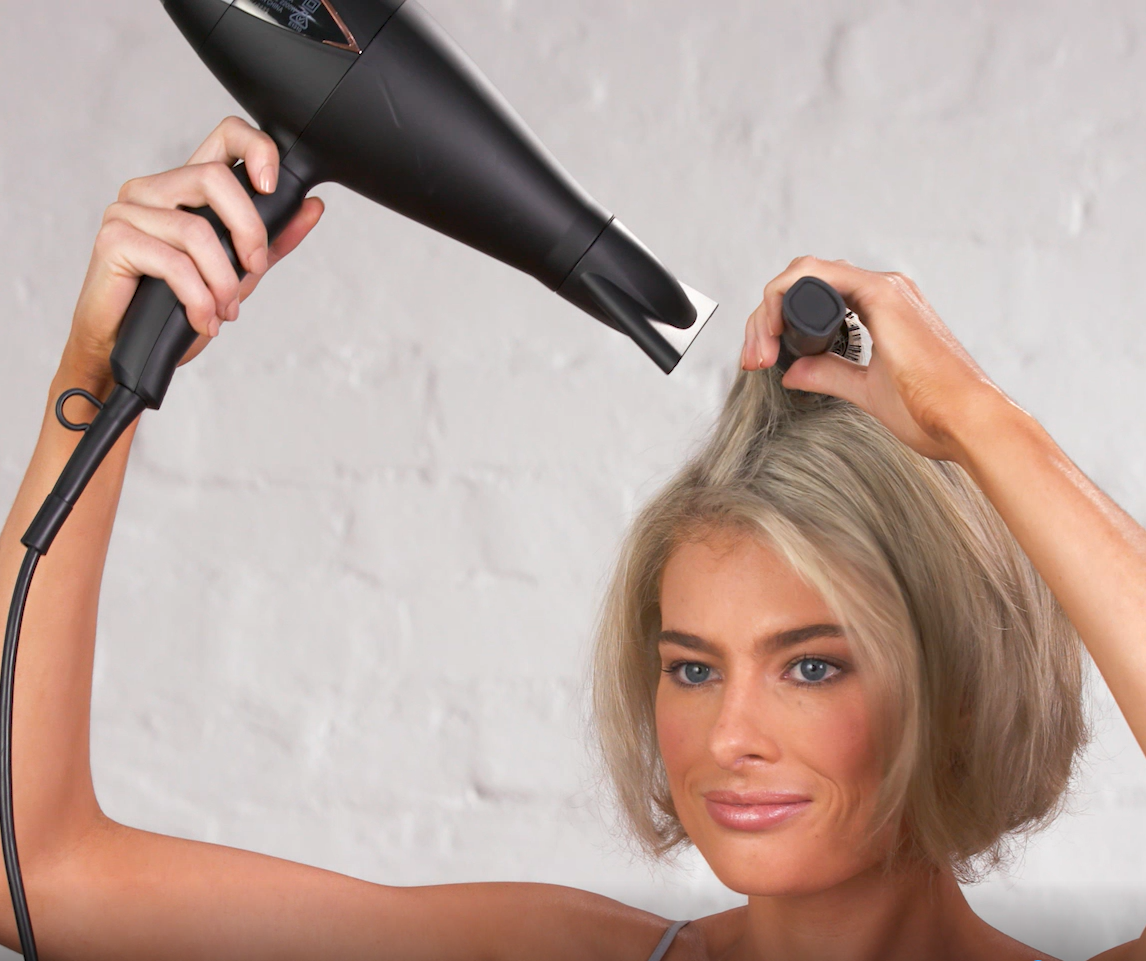
A concentrator helps focus the airflow directly onto the hair you're working on, rather than blowing your strands all over the place. Make sure the concentrator follows up and out with your brush to create volume at the roots, and then point it down the length of your hair for smoothness. Concentrators are best used after rough drying hair to about 80% dry.
Diffuser Attachment = Softer Airflow and Defined Curls
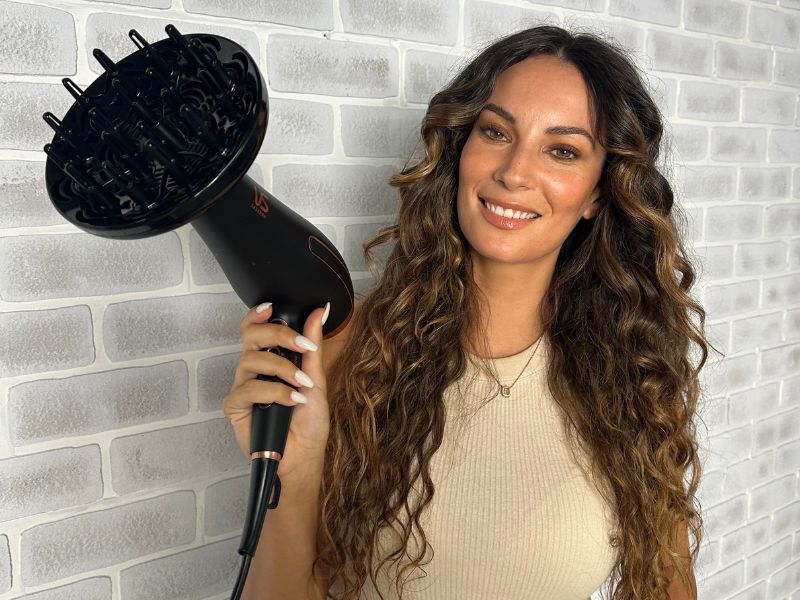
A diffuser attachment is designed to disperse and create a softer air flow to spread over a larger area. This makes it ideal for drying curly hair because the dispersed air doesn't disturb the hair's wave pattern or result in frizz when drying. Fingers on diffusers can help enhance volume at the roots. When using the diffuser, it’s always best to cup the hair in the diffuser for the best results.
Is It Too Late for My Damaged Locks?
What if it’s too late and you’ve already damaged your hair? If you’re not sure, then check for any signs of hair damage. If the news is bad, get yourself to a hairdresser for a treatment as soon as you can. Moving forward, always use a heat protectant product before drying and stay away from bleach-based colouring if you can. Even better, get hold of a dryer with an EC Digital motor.
Quick Blow-Dry Tips for Easy Styling
Sometimes you don’t need a perfect salon blow-out — just a good base for your style.
Try this quick method:
- Rough-dry hair until about 80% dry.
- Use a round brush to smooth the ends and add soft movement.
- Leave some natural texture for a relaxed finish.
- Finish with a cool shot to set the style.
This technique works well for creating effortless styles like soft waves or relaxed updos.
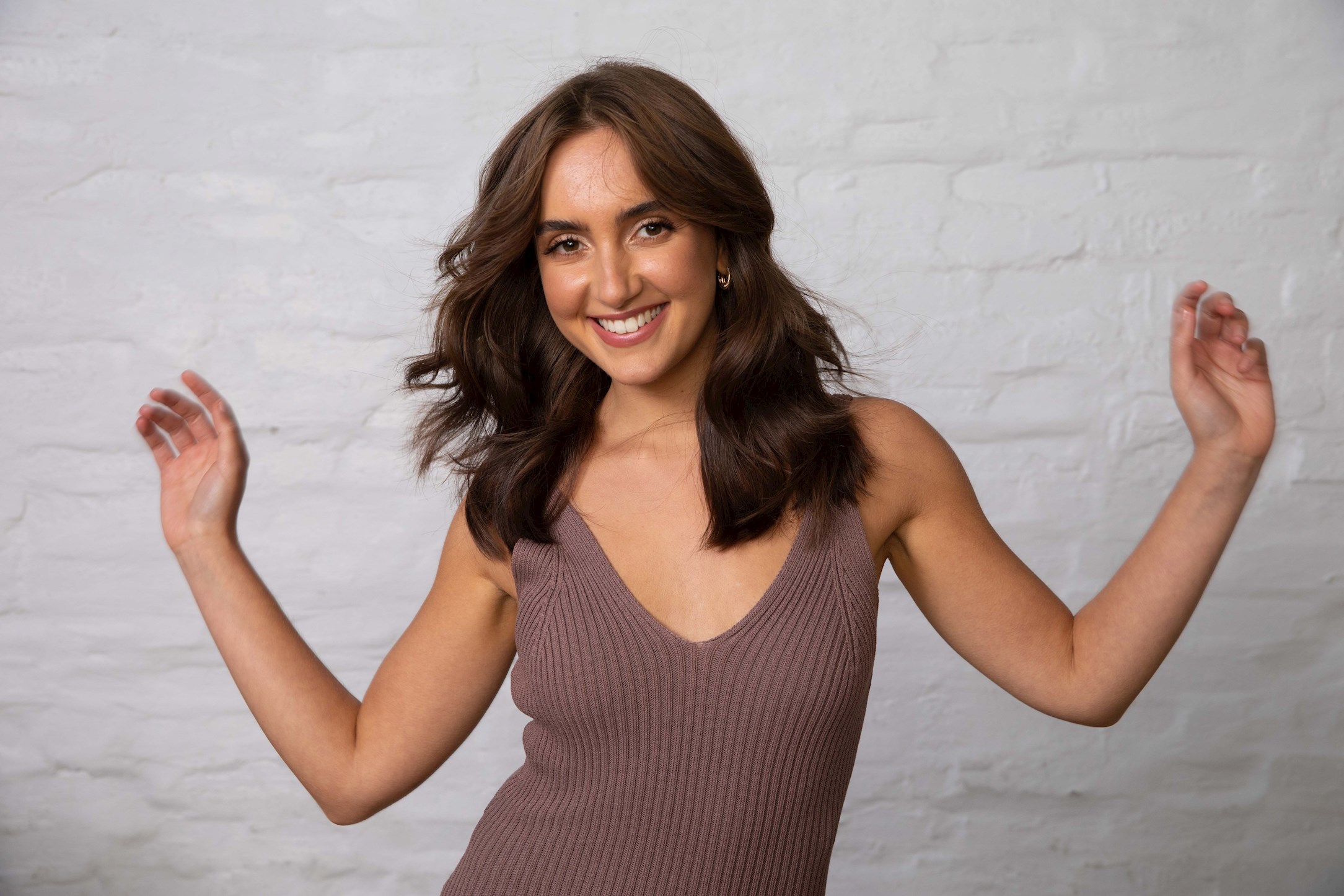
Dry Your Way To Perfect Hair At Home
Our range of hair dryers are made specifically for hair protection and easy styling in the comfort of your own home. Whether you’re looking for a sleek straight look or a beautiful voluminous blowout, our dryers can do it all!
Find out where you can purchase your very own VS Sassoon hair dryer at your nearest stockist.
Love Your Style, the VS Sassoon Team x